Fodder Tips & Troubleshooting
It's not hard to grow fodder, but there is a bit of a learning curve when you first get started. Feel free to experiment and see what works best for you.
Purchase quality barley seed for fodder here: Joseph's Grainery Whole Grain Barley, Non-GMO, 12 pounds
Purchase quality barley seed for fodder here: Joseph's Grainery Whole Grain Barley, Non-GMO, 12 pounds
|
Here's a few tips...
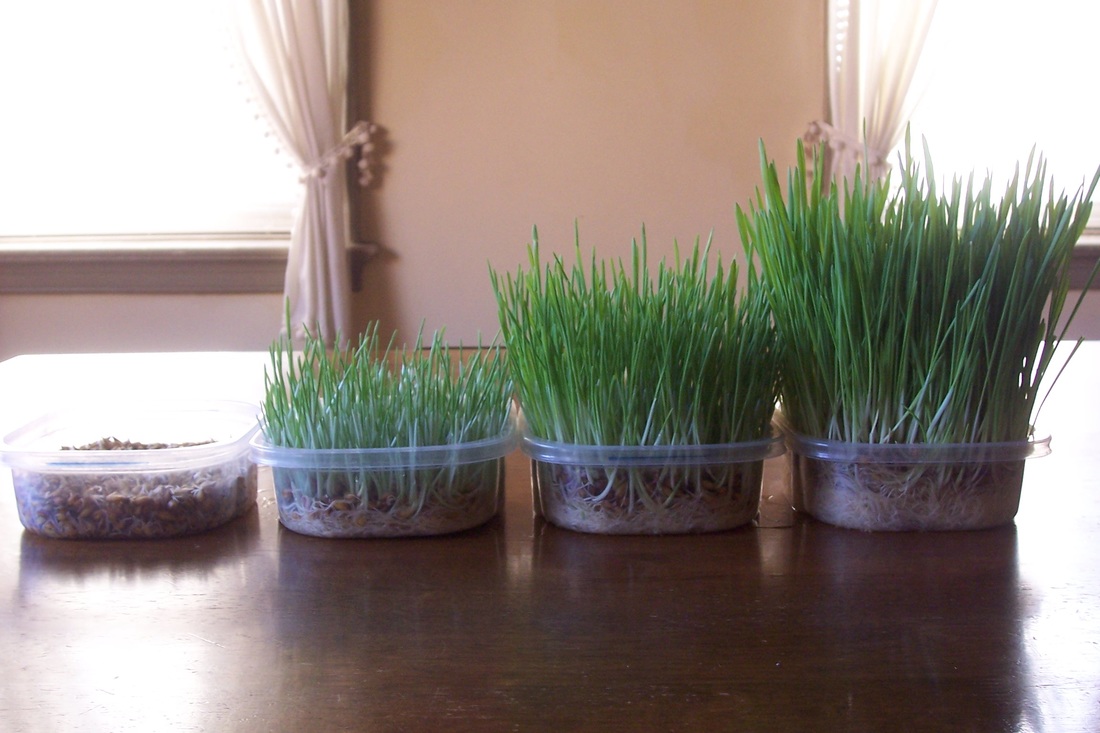
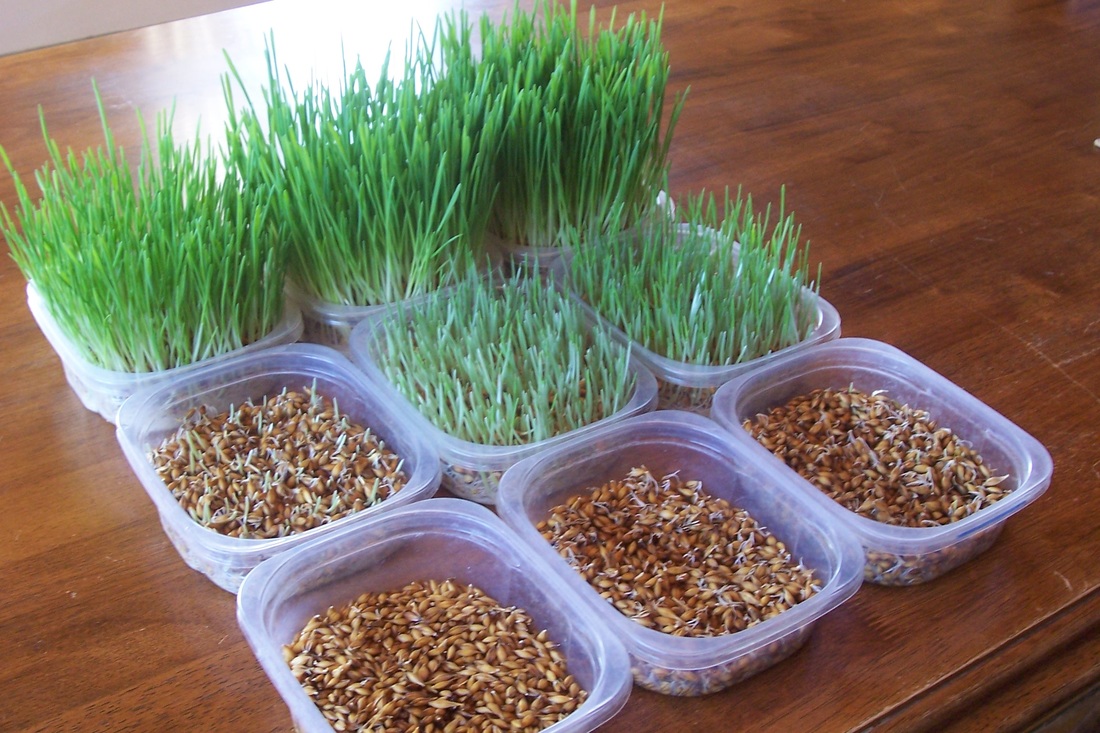
Always water with cool or lukewarm water. Hot water will cook the roots! Keep the fodder at 60-70 degrees. A cold drafty windowsill will cause mold to grow. Drain trays well after watering. For chickens: sprout the grain for 3-4 days then feed, since chickens prefer sprouted grain to a lush grassy mat. |
Never feed moldy fodder to your animals!!! A small patch of mold can be removed before feeding. If there are a number of moldy spots, "mow" the mat, feed the greens, and compost the roots.
If your fodder is growing mold:
- Did you add bleach to the soaking water to kill mold spores?
- Make sure you use fresh grain that hasn't been heated for good germination.
- Clean the seed well before sprouting - remove all chaff/floaters
- Add a little more bleach to the soaking water to kill all of the mold spores.
- Don't soak seed too long or the seeds will start to ferment. 8-12 hours is best.
- Keep fodder at the proper temperature (60-70 degrees) for the entire growing cycle.
- Clean & sanitize used trays before re-use. A mild bleach solution works well.
Remember to introduce your animals to fodder gradually. Feeding too much, too fast results in diarrhea & digestive upset. If you notice loose stools, stop feeding fodder. Feed 1-2 T. rolled oats & grass hay. Reintroduce fodder slowly once the stools return to normal.
If your fodder is growing mold:
- Did you add bleach to the soaking water to kill mold spores?
- Make sure you use fresh grain that hasn't been heated for good germination.
- Clean the seed well before sprouting - remove all chaff/floaters
- Add a little more bleach to the soaking water to kill all of the mold spores.
- Don't soak seed too long or the seeds will start to ferment. 8-12 hours is best.
- Keep fodder at the proper temperature (60-70 degrees) for the entire growing cycle.
- Clean & sanitize used trays before re-use. A mild bleach solution works well.
Remember to introduce your animals to fodder gradually. Feeding too much, too fast results in diarrhea & digestive upset. If you notice loose stools, stop feeding fodder. Feed 1-2 T. rolled oats & grass hay. Reintroduce fodder slowly once the stools return to normal.
|
Make sure your rabbits have access to hay when feeding fodder. Fodder is highly digestible but low in fiber. Rabbits need the fiber to keep their digestive system moving. If you completely replace commercial rabbit pellets with fodder, also feed grass hay (for fiber), black oil sunflower seeds (for fat), and a salt/mineral lick. Check the condition of your animals frequently when making diet changes and respond accordingly. Happy Sprouting!
Growing Fodder Do-it-Yourself: Mini Fodder Rack Daily Fodder Growth |
|
Brick House Acres Rabbitry - Frankfort, NY 13340 - (315) 338-4638
